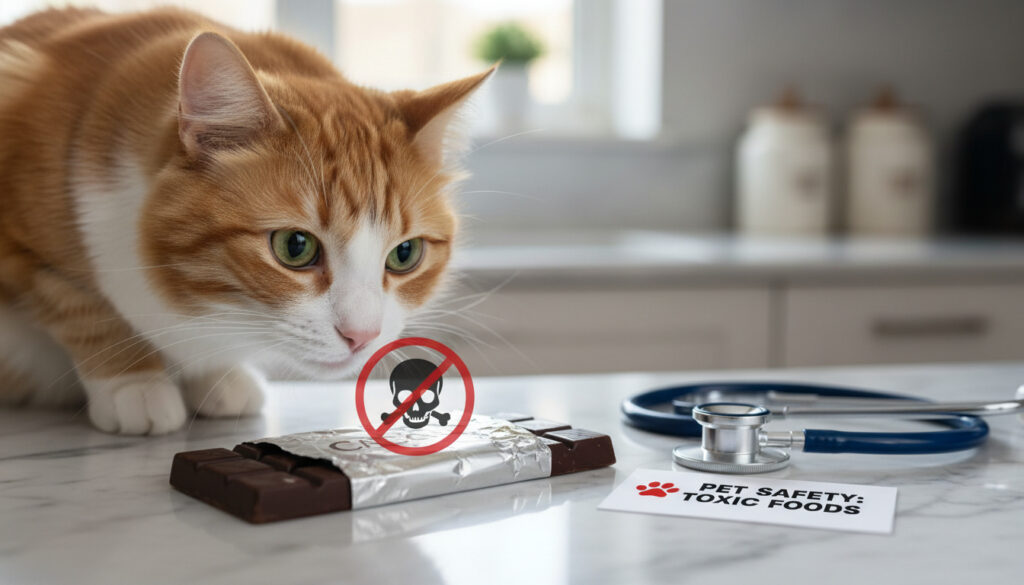
Can Cats Eat Chocolate – Toxicity Risks and Vet Guide
Chocolate poses severe, often fatal risks to domestic cats through its concentration of methylxanthine alkaloids. Unlike digestive upset caused by dietary indiscretion, chocolate contains theobromine and caffeine—compounds that cats metabolize at drastically slower rates than humans, leading to toxic accumulation in cardiac and neurological tissues.
Veterinary toxicologists confirm that felines actually face higher toxicity risk per unit of body weight than dogs, contradicting common assumptions about canine vulnerability. This heightened physiological sensitivity transforms even minimal chocolate exposure into a potential emergency requiring immediate clinical assessment.
Rapid recognition of intoxication signs and swift decontamination protocols remain the primary determinants of survival. Understanding the specific pharmacokinetics of chocolate toxicity enables pet owners to distinguish between watchful waiting and emergency veterinary transport.
Is Chocolate Toxic to Cats?
Confirmed lethal via theobromine and caffeine
Higher per kg than dogs
6-12 hours for severe signs
Immediate veterinary assessment
- Methylxanthines simultaneously damage cardiac, neurological, and gastrointestinal systems
- Felines possess slower metabolic pathways for theobromine clearance than canines
- Unsweetened baking chocolate contains the highest toxin concentrations
- Clinical manifestations persist between 24 to 96 hours post-exposure
- Early vomiting and nausea may manifest within one hour of consumption
- No verified safe consumption threshold exists for any feline weight class
- Caffeine absorption peaks within the first hour, triggering rapid onset signs
| Variable | Clinical Detail | Physiological Impact |
|---|---|---|
| Primary Toxins | Theobromine, Caffeine | Methylxanthine antagonism |
| Species Sensitivity | Cats > Dogs per kg | Enhanced cardiovascular risk |
| Caffeine Absorption | Within 1 hour | Rapid CNS stimulation |
| Early GI Signs | 1-2 hours post-ingestion | Vomiting, hypersalivation |
| Severe Symptom Peak | 6-12 hours | Seizures, arrhythmias |
| Duration | 24-96 hours | Protracted metabolite clearance |
| Highest Risk | Baker’s chocolate | Concentrated theobromine |
| Lowest Risk | White chocolate | Minimal methylxanthines |
Theobromine and caffeine function as phosphodiesterase inhibitors and adenosine receptor antagonists, triggering excessive sympathetic nervous system activity. Veterinary research documents that these methylxanthines damage myocardial tissue while overstimulating neural pathways, creating a cascade of life-threatening physiological failures.
What Happens If a Cat Eats Chocolate?
Gastrointestinal and Behavioral Manifestations
Initial symptoms typically emerge within the first hour as the feline digestive system attempts to reject the toxin. Vomiting accompanied by diarrhea and excessive drooling represents the body’s defensive response, while restlessness and agitation indicate early central nervous system stimulation. Clinical observations note that hyperactivity and excitability frequently precede more severe neurological compromise.
Cardiovascular and Neurological Deterioration
As toxins distribute through the bloodstream, cats develop tachycardia, irregular cardiac rhythms, and respiratory distress. Neurological degradation manifests through muscle tremors, rigidity, ataxia, and exaggerated reflex responses. Specialized veterinary sources confirm that untreated cases progress to seizures, coma, and respiratory failure.
Seizures, sustained muscle tremors, or abnormal cardiac rhythms require immediate emergency intervention. These symptoms indicate advanced toxicosis progression toward potential respiratory failure and fatal cardiac arrest.
Severe presentations documented by veterinary emergency clinics include systemic collapse and death when decontamination delays exceed the absorption window. Nutritional research emphasizes that symptom severity correlates directly with the chocolate type consumed and the feline’s body mass.
How Much Chocolate Is Toxic to Cats?
Variables Affecting Toxicity Calculations
Poison severity depends on three primary factors: the absolute quantity consumed, the specific chocolate variety, and the cat’s body weight combined with underlying health status. Minor intoxication typically produces gastrointestinal distress and transient hyperactivity, while moderate cases compromise cardiovascular function and severe presentations trigger neurological overstimulation.
Veterinary literature does not establish specific milligram-per-kilogram lethal doses for felines. While online toxicity calculators provide estimates based on body weight and chocolate type, individual sensitivity varies significantly, requiring professional risk assessment for each exposure event.
Clinical Assessment Limitations
Unlike canine toxicology, which provides precise mg/kg thresholds, feline chocolate toxicity lacks standardized lethal dose documentation. Veterinary telemedicine platforms recommend treating all ingestions as potentially hazardous, particularly given cats’ heightened sensitivity relative to dogs.
Which Types of Chocolate Are Worst for Cats?
High-Concentration Hazards
Baker’s chocolate presents the gravest danger, containing the highest theobromine and caffeine concentrations available in consumer products. Severe symptoms manifest from minimal quantities, with pharmaceutical veterinary sources documenting toxicity from fractions of an ounce. Dark chocolate and pure cocoa powder similarly concentrate these alkaloids at levels dangerous to feline physiology.
While white chocolate contains negligible theobromine and caffeine, its high sugar and fat content can trigger pancreatitis and significant digestive upset in cats, warranting complete avoidance despite lower methylxanthine concerns.
Comparative Risk Assessment
Milk chocolate carries lower toxicity potential, though consumption still risks gastrointestinal symptoms. Poison control data indicates that baked goods containing chocolate rarely produce effects beyond vomiting and diarrhea, though individual reactions vary. Telehealth veterinary services note that chocolate toxicosis remains relatively rare in cats compared to dogs, primarily because felines typically reject sweet flavors, though accidental exposures still occur. Per a més informació sobre si els gats poden menjar xocolata, consulta El segle d.
How Long Does Chocolate Poisoning Take in Cats?
- Ingestion (0 hours): Chocolate consumed; gastric absorption initiates immediately.
- Caffeine Absorption (1 hour): Stimulant enters bloodstream; clinical signs may appear within 1-2 hours at high doses.
- Early Gastrointestinal Signs (1-2 hours): Nausea, vomiting, and hypersalivation indicate defensive physiological responses.
- Behavioral Changes (2-4 hours): Restlessness, agitation, and hyperactivity signal central nervous system involvement.
- Cardiovascular Impact (4-6 hours): Tachycardia, irregular rhythm, and panting emerge as cardiac tissue succumbs to toxin activity.
- Neurological Crisis (6-12 hours): Tremors, seizures, and muscle rigidity peak; veterinary toxicology references identify this as the critical danger window.
- Extended Toxicity (12-96 hours): Symptoms persist based on severity and treatment efficacy; metabolic clearance continues.
- Recovery Phase: Gradual normalization of cardiac and neurological function with supportive veterinary care.
What Is Certain About Feline Chocolate Toxicity?
Established Facts
- All chocolate varieties contain physiologically active methylxanthines
- Cats metabolize theobromine significantly slower than humans
- Darker chocolate correlates directly with higher toxin concentration
- Early decontamination dramatically improves survival outcomes
- Felines demonstrate greater per-kg sensitivity than canines
Uncertain Parameters
- Exact milligram-per-kilogram lethal threshold
- Individual variation in metabolic sensitivity
- Long-term effects of sub-lethal exposures
- Specific “safe” quantity for any feline weight
Why Does Chocolate Affect Cats Differently?
Feline hepatic enzymes process theobromine at approximately one-tenth the rate of human metabolism, creating prolonged plasma half-lives that extend toxic effects over days. This enzymatic deficiency, combined with lower body mass and unique cardiac physiology, generates the heightened vulnerability observed in domestic cats. The biological mechanisms mirror those found in various Animals That Start With E – 130+ Species, Facts and Habitats, where size and metabolic rate determine toxin susceptibility across species.
Understanding chocolate composition helps clarify these risks. The process of How to Temper Chocolate – Easy Seeding Method Guide reveals why commercial chocolate maintains consistent theobromine levels regardless of preparation method, ensuring that even “gourmet” varieties pose identical threats to feline health.
What Do Veterinary Sources Say?
Cats require smaller lethal doses per body weight than dogs, making chocolate particularly dangerous for felines.
Chocolate is highly toxic to cats due to its content of theobromine and caffeine, which can damage the heart, nervous system, and digestive tract.
More serious symptoms peak within 6-12 hours of ingestion, with symptoms lasting 24 to 96 hours depending on severity.
Key Takeaways on Cats and Chocolate
Chocolate ingestion constitutes a veterinary emergency for cats, with theobromine and caffeine triggering potentially fatal cardiac and neurological collapse. Immediate decontamination within the first two hours offers the best prognosis, while symptom onset begins within one hour and peaks between six to twelve hours. Pet owners should secure all chocolate products—including baking supplies and cocoa powder—to prevent accidental exposure, recognizing that feline metabolism cannot safely process these common human foods.
Frequently Asked Questions
How long does chocolate stay in a cat’s system?
Toxic symptoms persist between 24 to 96 hours depending on severity, with complete metabolic clearance requiring several days due to feline enzyme deficiencies.
Can cats smell chocolate safely?
While airborne scent molecules pose no toxic risk, cats generally lack taste receptors for sweetness and typically reject chocolate voluntarily, though accidental ingestion remains dangerous.
What other human foods are toxic to cats?
In addition to chocolate, onions, garlic, xylitol-containing products, alcohol, caffeine beverages, and grapes present documented toxicity risks requiring veterinary avoidance.
Is dark chocolate worse than milk chocolate for cats?
Dark chocolate contains significantly higher theobromine concentrations than milk chocolate, making it substantially more dangerous per ounce consumed.
Can indoor cats get chocolate poisoning?
Indoor cats face equal risk through dropped baking ingredients, improperly stored cocoa powder, or chocolate-containing desserts left accessible on counters.
What should I do if my cat eats chocolate but seems fine?
Contact a veterinarian or pet poison helpline immediately regardless of apparent wellness, as serious symptoms may develop hours after initial ingestion.
More related posts
 Sports Store Near Me – Closest Chains, Hours and Coverage
 How to Cut a Watermelon: Easy Steps for Cubes, Wedges & More
 A&W Careers Canada: Pay, Age, Training & Jobs
 Best Free Video Compressors – Top PC Mac Online Tools 2025
 How to Make a Sourdough Starter – Complete Beginner's Guide
 Thunder Bay Houses for Sale: Listings, Prices & Options
 Keke Palmer Movies and TV Shows: Complete Filmography
 Appartement a Louer Sherbrooke: Rentals, Prices & Guide